St Margarets bulky rubbish collection and skip alternatives
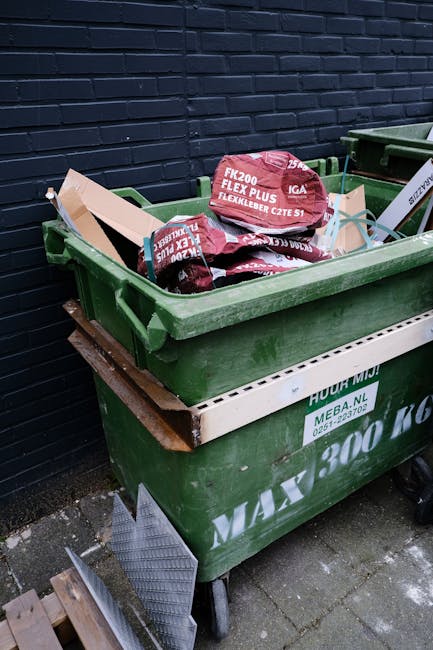
If you have an old sofa, a broken wardrobe, builders' offcuts or a garage full of clutter, sorting it out can feel oddly complicated. That is exactly where St Margarets bulky rubbish collection and skip alternatives come in. For many homes, flats and small businesses, the smartest option is not always a skip on the drive. Sometimes you need a faster, tidier and more flexible way to clear waste without blocking the road or guessing how much space you really need.
In this guide, we'll walk through how bulky rubbish collection works, when a skip makes sense, and when a waste removal service is the better fit. We'll also cover practical steps, common mistakes, local best practice, and a few real-world scenarios from everyday life in and around St Margarets. No fluff. Just the stuff that helps you make a sensible decision, first time around.
Why St Margarets bulky rubbish collection and skip alternatives Matters
Bulky waste is rarely just "rubbish". It is usually a mix of awkward items, heavy items and bits that do not stack neatly. Think mattresses, cabinets, damaged fencing, old office chairs, broken appliances, carpets, or the remains of a weekend declutter that got out of hand. The problem is not only size. It is also access, timing, safety and where the waste can actually go.
In St Margarets, that matters even more because many properties have tight frontages, shared access, parking pressure or limited space for a skip. If you can't place a skip conveniently, or if loading one yourself would take too long, a collection-based alternative can be far easier. To be fair, a skip is great in the right situation. But when you are clearing one room, one flat, one garage or a small renovation job, it can be overkill.
There is also a planning question. Do you want everything gone in one visit, or do you want a container sitting outside for days while you fill it? For a lot of people, the answer changes the moment they picture wheelbarrows, rain, and a pile of old timber at the front of the house. That is where skip alternatives become genuinely attractive.
If you are comparing disposal options, it helps to think about the job type first, not the waste type. A mixed household clearance, a garden tidy-up and a builder's rubble pile all need different handling. You can also explore related services such as general waste removal, home clearance and garage clearance when the job is broader than a single bulky item or two.
How St Margarets bulky rubbish collection and skip alternatives Works
At its simplest, bulky rubbish collection means the waste is removed from your property by a team rather than you loading a skip yourself. The exact process can vary, but the basic rhythm is usually the same: you describe what needs removing, the collection is scheduled, the team arrives, loads the waste, and it is taken away for sorting, recycling and disposal.
That "sorting" part matters. A proper collection service does more than just haul things away. Reusable materials, recyclable metal, wood, cardboard, appliances and some furniture can often be separated. That makes the service useful for people who want a cleaner clear-out without creating unnecessary landfill pressure. If sustainability matters to you, it is worth looking at a provider's approach to recycling and sustainability.
Skip alternatives also work well when the waste is awkwardly placed. A top-floor flat, a narrow side alley, a shared driveway, a basement room full of old items - all of those can be far easier to deal with when the team comes to you. In practical terms, the service is designed to reduce lifting, waiting and guesswork. You point, they load. It is a fairly simple promise, but that simplicity saves a lot of time.
For business premises, the process can be even more helpful. Offices and shops often need fast, discreet removals outside trading hours or around staff schedules. If that sounds familiar, see business waste removal and office clearance for relevant options.
Key Benefits and Practical Advantages
The main reason people choose bulky rubbish collection over a skip is convenience. But the benefits go a bit deeper than that.
- No skip on the street: useful where parking is tight, neighbours are close, or permits and placement are awkward.
- Faster turnaround: waste can often be removed in a single visit rather than sitting outside for days.
- Less lifting for you: especially helpful for sofas, wardrobes, white goods and heavy mixed loads.
- Better for mixed items: ideal when the pile includes furniture, wood, scrap, and odd bits that don't fit neatly into a skip.
- Flexible for small and medium jobs: you are not paying for empty space you never use.
- Cleaner finish: once the team leaves, there is no container to stare at for the rest of the week. Nice, really.
There is another practical upside that gets overlooked: you can often decide exactly what should go and what should stay. That matters if you are clearing a room and want to keep documents, tools, or a couple of sentimental items. A skip can be a bit "all or nothing" once it starts filling up, whereas collection-based removal is often more controlled.
For bulky furniture specifically, services like furniture disposal, furniture clearance and mattress and sofa disposal are often a better fit than hiring a skip for a handful of awkward items.
Who This Is For and When It Makes Sense
This kind of service suits a wide mix of people. If your job is too small for a builder's skip, too awkward for a standard bin, or too messy to tackle with your own car, you are probably in the right territory.
Typical users include:
- homeowners clearing a spare room, garage or loft
- tenants moving out of a flat or maisonette
- landlords preparing a property for new occupants
- small businesses disposing of furniture or packaging waste
- households replacing bulky items such as sofas, beds or fridges
- people tackling garden waste or shed contents after a busy weekend
It makes sense when the waste is bulky but not endless. If you have a full renovation's worth of rubble, a skip may still be the more straightforward option. If, however, the job is a sofa, a few cabinets, some broken shelving and a pile of mixed clutter, a collection service usually feels calmer and more efficient.
For a family clearing a loft in one rainy Sunday morning, or a small shop replacing shelving before opening hours, the practical difference is huge. Less waiting. Less mess. Less "where on earth do we put this now?"
And if the items are oddly specific, you can often pair the right service with the right waste stream. For example, an old fridge may be best handled through fridge and appliance removal, while a messy building job may need builders' waste clearance.
Step-by-Step Guidance
If you want the process to go smoothly, the best approach is to plan it in simple stages. Nothing fancy. Just a bit of clarity up front saves a lot of hassle later.
- Make a clear list of the items. Separate furniture, appliances, rubble, garden waste and anything hazardous. A quick walk around with a notebook helps more than you'd think.
- Check what can and cannot be taken. If you have paint, chemicals, asbestos-like materials or anything uncertain, ask before collection. Some items need specialist handling through hazardous waste disposal.
- Estimate the volume. You do not need an engineer's report. A rough idea of how much space the items take is enough to avoid underbooking.
- Think about access. Can a team reach the items easily? Are there stairs, narrow hallways or parking restrictions? Mention it early. It helps everyone.
- Choose the service type. For domestic clutter, household goods or mixed bulky items, collection-based removal is often the most efficient route. For larger domestic clearances, you may want house clearance or loft clearance.
- Prepare the area. Move small loose items, open gates, and make sure the route to the waste is safe and clear.
- Confirm pricing and timing. Ask how quotes are built, what affects the cost, and whether the service is priced by load, item type or collection size. The page on pricing and quotes can help you understand what to expect.
One useful trick: photograph the waste before you book. Not glamorous, I know, but it gives a clearer picture than a quick verbal description. A pile looks smaller in the head than it does in the hallway at 8am.
Expert Tips for Better Results
Most clearance jobs go better when the waste is a little more organised than you first think it needs to be. The goal is not perfection. The goal is making the removal quick, safe and cost-effective.
- Group similar items together. Furniture in one place, loose wood in another, cardboard in a separate stack if possible.
- Break down what you safely can. Flat-pack units, dismantled shelving and folded cardboard take less time to load.
- Leave access clear. A blocked stairwell or a narrow path full of plant pots slows everything down.
- Keep valuables and documents out of the waste zone. It sounds obvious, but during a big clear-out obvious things get missed.
- Ask about recycling. A reputable service should be able to explain what is likely to be recycled and what needs separate treatment.
If you are dealing with mixed domestic waste, services like flat clearance or furniture clearance may be a better fit than a skip, especially in tighter parts of St Margarets. And yes, if you have a sofa wedged at an awkward angle in the front room, you are not the first. Not even close.
A small but important tip: be honest about stairs, parking, and awkward lifting. It helps the team bring the right equipment and plan the collection properly. That one detail can save a lot of "oh, we didn't know that" on the day.
Common Mistakes to Avoid
The biggest mistake is assuming all bulky waste is the same. It is not. A single broken mattress, a pile of garden branches, and a set of old office chairs each bring different handling issues. If you lump everything together and hope for the best, the job usually becomes slower and more expensive than it needs to be.
- Underestimating volume: a small pile can grow very quickly once you start moving it.
- Forgetting access issues: tight corners, lifts, parking restrictions and shared entrances all matter.
- Including restricted items without checking: paint tins, chemicals, fridges and some electricals may need special handling.
- Choosing a skip out of habit: sometimes that is fine, but habit is not the same thing as suitability.
- Waiting until the last minute: rubbish removal always feels more urgent once the room is half-cleared.
Another common slip is forgetting that some items are better handled in separate categories. For example, office paperwork and old client files may need confidential shredding, not general waste. Likewise, a broken appliance is usually simpler to process through a dedicated appliance removal route than bundled in with furniture and wood.
Let's face it, most of us do the "I'll sort that later" routine. Then later arrives, and the pile has gained momentum. That's normal. The trick is to catch it before it becomes a weekend-eating monster.
Tools, Resources and Recommendations
You do not need many tools to organise a bulky clearance well, but a few simple things make the process smoother.
- Basic measuring tape: helpful if you are checking whether large furniture will fit through doors or down stairs.
- Phone camera: take clear photos of the waste from a couple of angles for easier quoting.
- Marker pen and labels: useful for separating what stays, what goes, and what needs recycling or shredding.
- Heavy-duty gloves: sensible for moving mixed waste, splintered timber or dusty items.
- Strong bin bags or rubble sacks: handy for smaller loose items and general tidying around the main load.
For service selection, these pages are worth keeping in mind because they match common clearance scenarios closely:
- garden clearance for soil bags, hedge cuttings, fence panels and outdoor clutter
- garage clearance for tools, old storage, bikes and mixed household overflow
- office clearance for desks, chairs, screens and general workplace disposal
- fridge and appliance removal for large white goods
A quick word on quotes. If a provider can explain what influences price, what is included, and how access affects the job, that is a good sign. Clarity tends to travel with professionalism. Strange, but true.
Law, Compliance, Standards and Best Practice
For any waste job in the UK, the safe rule is simple: use a properly run service and keep problematic materials out of general waste unless you have been told otherwise. You do not need to memorise legal detail, but you should expect the basics to be handled responsibly.
Best practice includes confirming that waste will be transported and disposed of properly, asking how recycling is managed, and making sure hazardous or specialist waste is separated before collection. If you are a business, your duties are usually a bit more demanding because the waste may include confidential material, electrical items, or site waste that needs documented handling. That is where business waste removal and health and safety policy become relevant from an operational perspective.
Insurance and safety also matter. If large items are being carried through stairwells, communal corridors or tight hallways, it is reasonable to ask how the team protects the property and themselves. You can look at insurance and safety for the sort of reassurance a customer should expect from a responsible provider.
If hazardous items are involved, do not guess. Paints, solvents, batteries, unknown liquids and other risky materials should be handled carefully and separately. A "throw it all in one pile" approach is not a good idea here, and it rarely ends well. Truth be told, it usually ends in a mess.
Options, Methods and Comparison Table
Choosing between a skip and a bulky rubbish collection service usually comes down to access, waste type, effort and timing. Here is a straightforward comparison to help you decide.
| Option | Best for | Main advantage | Main drawback |
|---|---|---|---|
| Skip hire | Larger DIY or renovation jobs with plenty of space | Good for ongoing loading over several days | Needs space, may need permits, and can sit outside for a while |
| Bulky waste collection | Furniture, mixed household items, short-notice clearances | Fast, flexible and usually less disruptive | Less suited to very large volumes of rubble |
| Full property clearance | Whole rooms, lofts, flats, garages or inherited contents | Takes care of everything in one organised visit | Can be more than you need for one or two items |
| Specialist item removal | Fridges, mattresses, sofas, appliances or confidential waste | Handled in a more appropriate way | May require separate booking if items are mixed |
There is no perfect option for every job. That's the honest answer. A skip can be ideal for a long weekend project. A collection service can be much better for a terrace house with tricky access and one huge corner sofa that has been staring at you for months.
If you are unsure what the waste includes, a good first step is to compare the job against the guidance on what can go in a skip. Even if you do not choose a skip, that page is useful because it helps you recognise which items need careful handling or a different route.
Case Study or Real-World Example
Imagine a typical St Margarets home after a long-overdue clear-out: a worn-out sofa in the front room, two broken dining chairs, a chest of drawers that has seen better days, and a stack of flattened cardboard from a recent delivery spree. There is also an old printer in the hall and a rusted garden shelf in the shed. A skip would work, technically. But it would also sit outside, take up space, and probably feel like too much for the volume involved.
In a case like that, a collection-based bulky waste service makes more sense. The items are removed in one go, the pathway is kept clear, and the whole house feels calmer within an hour or two. There is something deeply satisfying about hearing the last piece of furniture thump into the vehicle and seeing the hallway again. Tiny victory, but a real one.
Now compare that with a small office in the area replacing chairs and clearing old storage. The team might need to remove desks, monitor stands, packaging and a couple of heavy filing units. Here, the benefits are even clearer: less disruption to staff, a quicker turnaround, and no container parked outside a business entrance. It is just less faff. Sometimes that is the best reason of all.
For jobs that include mixed furniture and household items, services such as furniture clearance and house clearance give you a more complete and efficient route than a skip alone.
Practical Checklist
Use this quick checklist before booking a bulky rubbish collection or choosing a skip alternative:
- List every item that needs removing.
- Separate bulky furniture, appliances, garden waste and any odd items.
- Check for hazardous or restricted materials.
- Estimate roughly how much space the waste will take.
- Measure tight access points, stairs and doorways if needed.
- Take photos from more than one angle.
- Confirm whether the job is domestic, commercial or mixed.
- Ask how recycling, disposal and loading are handled.
- Review pricing details before agreeing to the collection.
- Keep the route clear on the day.
If you are booking for a property with specific clearance needs, you may also find it useful to review flat clearance, loft clearance or garden clearance depending on where the waste is actually coming from. That sounds obvious, but in practice people often forget to match the service to the room. Happens all the time.
Conclusion
St Margarets bulky rubbish collection and skip alternatives are really about choosing the cleaner, easier path for the type of waste you actually have. If your job is awkward, time-sensitive, or simply not big enough to justify a skip, a collection-based service can save space, effort and a fair bit of stress. If the load is larger and you have room to manage it, a skip may still be the better fit. The key is not defaulting to one answer. It is matching the solution to the job.
Think about access, item type, timing and how much lifting you want to do yourself. That simple check usually points you in the right direction. And if you are still weighing up the options, a quick quote and a clear description of the waste will usually make the decision obvious.
Get a free quote today and see how much you can save.
Sometimes the best result is just getting a room back, a driveway clear, and that little sense of relief when the clutter is finally gone. Honestly, that moment is hard to beat.
Frequently Asked Questions
What is the best skip alternative for bulky rubbish in St Margarets?
For most household bulky waste, a collection-based service is usually the most practical alternative. It works especially well for sofas, wardrobes, mattresses, mixed clutter and items that are awkward to move or load yourself.
Is bulky rubbish collection better than skip hire?
It depends on the job. Bulky rubbish collection is often better for smaller or mixed loads, while skip hire can suit larger projects with easy access and enough space to keep a skip on site.
Can I get rid of furniture without hiring a skip?
Yes. Furniture is one of the most common things removed through collection services. If you need to dispose of sofas, wardrobes, tables or beds, dedicated furniture disposal is often the better route.
What items are usually accepted in bulky waste collection?
Common items include furniture, mattresses, household clutter, some appliances, shelving, wood and general mixed rubbish. Restricted or hazardous items should always be checked first.
How do I know whether my waste needs special handling?
If the waste includes chemicals, paint, batteries, fridges, unknown liquids, or anything sharp or contaminated, it may need separate treatment. When in doubt, ask before the collection rather than guessing.
Do I need to sort the waste before collection?
Basic sorting helps, but you usually do not need to separate everything perfectly. Grouping similar items together makes the job smoother and can help with recycling and handling.
Is bulky rubbish collection suitable for flats and maisonettes?
Yes, and often that is where it shines. Flats and maisonettes frequently have limited access, shared entrances and parking challenges, so a skip alternative can be much easier to manage.
What if I only have one large item to remove?
That is still worth enquiring about. One large item, such as a sofa, mattress or appliance, can be handled through a targeted removal service instead of booking a skip for a single piece.
How long does a bulky rubbish collection take?
It depends on the amount of waste and the access to it. A small load may be removed fairly quickly, while a larger clearance can take longer. The important thing is that the process is usually much faster than loading a skip yourself.
Can businesses use bulky rubbish collection instead of skip hire?
Absolutely. Offices, shops and other premises often benefit from collection-based removals because they are quicker, less disruptive and easier to fit around trading hours.
What should I ask before booking a waste removal service?
Ask what is included, how pricing works, whether any items are excluded, how access affects the job, and whether recycling or disposal is handled responsibly. Clear answers up front are a very good sign.
Where can I learn more about what goes in a skip?
The page on what can go in a skip is a useful starting point. Even if you choose a skip alternative, it helps you understand the different categories of waste and what may need separate handling.
Can old appliances and white goods be taken away too?
Yes, in many cases they can. Fridges, freezers, washing machines and similar items are usually better handled through a dedicated appliance removal service so they are treated correctly.
Is there a greener way to dispose of bulky rubbish?
There can be. Services that sort materials for recycling and reuse can reduce the amount of waste sent to landfill. If sustainability is important to you, ask how the provider manages sorting and recycling.