Richmond Hill rubbish clearance tips for Victorian homes
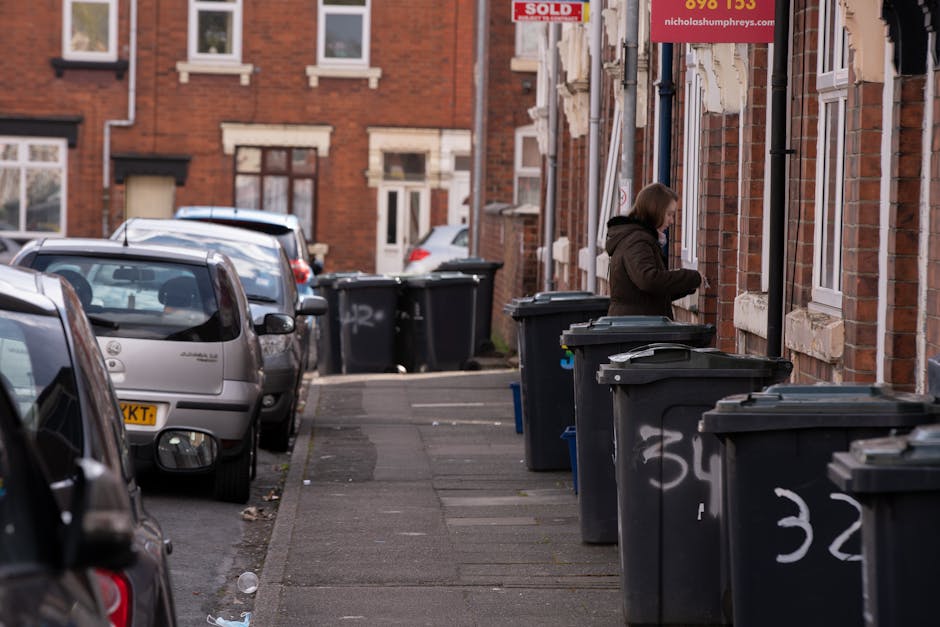
Victorian homes have a charm that modern properties just can't fake: tall ceilings, narrow staircases, old outbuildings, and those little awkward corners where things seem to accumulate by stealth. If you live in Richmond Hill, you'll know the feeling. One day it's "just a few boxes," and the next you're staring at a back room, a loft hatch, or a shed that looks like it has been storing forgotten life choices for a decade.
This guide brings together practical Richmond Hill rubbish clearance tips for Victorian homes so you can clear space without damaging period features, upsetting neighbours, or turning a simple job into a weekend saga. We'll look at how rubbish clearance works in older homes, what to sort first, which mistakes to avoid, and when it makes sense to use a professional service. If you're planning a larger clearance, it can also help to compare related services like home clearance, house clearance, and loft clearance so you choose the right approach for the job.
Quick takeaway: Victorian homes often need a slower, more careful clearance plan than newer properties. Measure access, sort waste by type, protect old finishes, and decide early what can be reused, recycled, or removed as specialist waste. That one bit of planning saves a lot of hassle later.
Why Richmond Hill rubbish clearance tips for Victorian homes Matters
Victorian properties are lovely, but they rarely make rubbish clearance easy. Rooms can be oddly proportioned, access routes can be tight, and original materials are often more fragile than they first appear. A cast-iron fireplace surround, old floorboards, ornate plaster, narrow front paths, even a steep set of steps can change the whole removal plan.
That matters because the wrong clearance method can cause avoidable problems. Heavy items dragged across a hallway can scratch timber floors. Rushed handling can chip plaster or damage skirting boards. And if you're clearing a property after years of accumulation, there's usually a mix of ordinary household waste, reusable furniture, and items that need more careful disposal. Not exactly a one-bag job, is it?
Richmond Hill adds another layer. Local streets, parking constraints, and the practical reality of shared access mean you benefit from a tidier, better-timed clearance. In our experience, older homes reward patience. You get a better result when you treat the job as a sequence of smaller decisions rather than one big all-or-nothing push.
It also helps to think about value. Clearing a Victorian home properly can make the property safer, easier to clean, more attractive for sale or let, and much simpler to manage day to day. If you are tackling a larger declutter, services such as furniture clearance and furniture disposal can be especially useful when bulky pieces are taking up half the room and you just want them gone responsibly.
How Richmond Hill rubbish clearance tips for Victorian homes Works
The basic process is straightforward, but older homes need a more careful version of it. First, you identify what needs to go. Then you separate what can be kept, donated, recycled, or disposed of. After that, you decide whether the job is small enough for a DIY run to the tip or whether a managed rubbish removal service is the simpler route.
For Victorian homes, the practical detail is all in the preparation. You usually need to:
- check access through hallways, side passages, and stairs
- measure large items before trying to move them
- protect floors, walls, and banisters
- separate general waste from specialist items
- set aside anything with resale or reuse value
- plan loading times around parking and neighbour access
That last point sounds minor, but it often decides whether the day feels smooth or chaotic. If the van can't get close enough, or you have to keep pausing for traffic, the whole thing takes longer and feels harder than it should.
Where an experienced team is involved, the process is usually more efficient because the crew knows how to handle awkward furniture, uneven floors, and mixed waste loads. If you're comparing options, the site's waste removal page is useful for understanding the general service type, while house clearance is more appropriate when you need a fuller property clear-out.
Key Benefits and Practical Advantages
Done properly, rubbish clearance in a Victorian home gives you more than a tidy room. It protects the character of the building, reduces physical strain, and gives you a clearer picture of what the property actually needs.
Here are the main advantages:
- Less risk of damage: careful moving protects original features like stair spindles, cornices, and old timber floors.
- Faster decision-making: sorting items into keep, recycle, donate, and dispose prevents endless back-and-forth.
- Better use of space: Victorian rooms can feel much larger once clutter and dead storage are removed.
- Cleaner handover: if you're selling, renting, or renovating, a cleared property photographs and presents far better.
- Lower stress: there is real comfort in seeing progress, especially when a room has been packed for years.
There's also a sustainability angle. Not everything needs to end up as mixed waste. A good clearance approach prioritises reuse and recycling where possible. If sustainability matters to you, it's worth reading the company's recycling and sustainability information before booking anything. It gives you a better sense of how materials are handled and what happens after collection.
And to be fair, there's something satisfying about doing this well. You open the sash windows, the room breathes a bit, and suddenly the place feels more like a home again.
Who This Is For and When It Makes Sense
This guide is for anyone in Richmond Hill dealing with an older property and a pile of stuff that has outgrown its welcome. That might be a long-term homeowner, a landlord preparing for new tenants, someone helping a relative downsize, or a buyer cleaning up after moving into a house with, let's say, "historic" storage habits.
It also makes sense if you're facing one of these situations:
- a loft full of boxes, broken furniture, and old seasonal items
- a garden or shed that has become a storage zone for damp, rusting, or unusable things
- a renovation where builders have left waste behind
- an inherited home that needs sorting room by room
- bulky items that won't fit safely down narrow stairs
Some jobs are small and simple. A couple of bags, a chair, a broken shelving unit - fine. But once you're dealing with multiple rooms, heavy furniture, or mixed materials, it starts to become a planning exercise. That's where professional help often becomes the sensible option rather than the dramatic one.
If your clearance overlaps with renovation debris or stripped-out fittings, the builders waste clearance page may be more relevant than a basic household clear-out. Victorian homes often throw up that hybrid situation: half domestic clutter, half project waste. One more reason to map the job properly.
Step-by-Step Guidance
If you want a practical method that works in real life, use this sequence. It keeps the job manageable and reduces the risk of mid-clearance chaos.
- Walk the property first. Note every room, cupboard, loft space, cellar, shed, and outdoor area. Look at access as much as the waste itself.
- Measure the awkward bits. Stair width, door frames, tight corners, and head height under beams can matter more than you expect.
- Separate items into clear groups. Keep, sell, donate, recycle, general waste, and specialist disposal. Use boxes or labels if that helps.
- Remove the obvious first. Start with loose bags and lightweight clutter. Early wins build momentum.
- Tackle bulky items with care. Wardrobes, sofas, bed bases, and cabinets should be moved with two people if possible. Slow is good here.
- Protect the property. Lay down coverings on floors and use corner protection where items may brush walls.
- Check for specialist waste. Appliances, sharp materials, chemicals, or anything potentially hazardous should be separated immediately.
- Load in a sensible order. Heavier items at the bottom, lighter items on top, and fragile contents kept apart.
- Do a final sweep. Check under stairs, behind doors, and in forgotten alcoves. Victorian homes are full of these little hiding places.
A simple rule helps: if you wouldn't want it to tip, spill, smell, or scratch, it needs special handling. It's not fancy advice, but it works.
For items like mattresses and sofas, you'll often want a more specific service. The dedicated mattress and sofa disposal page is a helpful reference when those bulky items are the main headache. And if the job includes broken fridges or old white goods, look at fridge and appliance removal too, because appliances need a different handling mindset.
Expert Tips for Better Results
These are the small habits that make a surprisingly big difference.
1. Start where the space is most visible
Front rooms, hallways, and landings set the tone. Clearing them first gives you a morale boost and makes the property feel calmer straight away. You will notice how much easier the rest feels once the main traffic routes are open.
2. Protect original features before you move anything
Old homes can be a bit unforgiving. A tight turn on a staircase is where chips and scrapes happen. Use blankets, covers, or boards where needed. Nothing too theatrical. Just enough to stop a bad bump becoming a repair job.
3. Don't assume "old" means "safe to keep"
Sometimes people leave things in place because they have been there forever. But age alone doesn't make an item useful. If it's unstable, damaged, or gathering dust in the corner like a small archaeology exhibit, it may be time to let it go.
4. Separate cash-value items early
Victorian homes often contain salvageable pieces: a solid chair, old mirrors, cast-offs that are actually quite nice once cleaned up. Set those aside before the rest of the clearance gets underway. Even if you only keep a couple of things, that feels better than throwing them into the general pile by accident.
5. Plan for dust, not just waste
Older properties can release a lot of dust once cupboards, lofts, and under-stair spaces are disturbed. Open windows, wear gloves, and don't be surprised if the room looks worse before it looks better. That's normal. Slightly annoying, but normal.
Common Mistakes to Avoid
Most clearance problems come from trying to move too quickly. The job looks simple until you hit the staircase, the hidden nails, or the bag that suddenly tears open on the landing.
- Skipping the measuring stage: a sofa that looked manageable in the room can become a nightmare at the front door.
- Mixing waste types together: this makes sorting harder and can create disposal issues later.
- Ignoring weight distribution: overloaded bags and uneven furniture are both bad news for anyone carrying them.
- Forgetting about protected surfaces: Victorian flooring and plaster often need extra care, not less.
- Leaving hazardous items until the end: batteries, cleaning chemicals, old paint, and similar items should be identified early.
- Underestimating time: older homes always take longer than the tidy plan in your head. Always. Funny how that happens.
Another mistake is thinking you need to finish everything in one go. Truth be told, splitting the job into zones - loft, bedrooms, kitchen, garden, then cellar or shed - usually gives a cleaner result and less exhaustion.
Tools, Resources and Recommendations
You don't need a professional toolkit to start, but the right basics make clearance safer and much less frustrating.
| Item | Why it helps | Best use in a Victorian home |
|---|---|---|
| Heavy-duty gloves | Protects hands from dust, splinters, and sharp edges | Lofts, sheds, old cupboards, mixed waste |
| Strong boxes or sacks | Keeps sorting clean and manageable | Small clutter, books, textiles, household bits |
| Floor protection | Reduces scrapes and dirt transfer | Hallways, stairs, and narrow routes |
| Tape measure | Prevents nasty surprises with bulky items | Doors, stairs, alcoves, cellar access |
| Marker labels | Makes sorting faster and more obvious | Room-by-room clearance, donation piles, recycling |
On the service side, a few pages on the site are worth knowing about depending on what you're clearing. Garage clearance is useful when the clutter has migrated outdoors. Loft clearance helps when the upper floor is full of long-forgotten storage. And for general property decluttering, home clearance is often the broadest starting point.
If safety and handling standards matter to you - and they should - take a look at insurance and safety and the company's health and safety policy. Those pages help you understand the care expected on a professional job, especially when access is awkward or items are heavy.
Law, Compliance, Standards, or Best Practice
Rubbish clearance isn't just about getting rid of things. In the UK, waste has to be managed responsibly, and the safest approach is to make sure items go to an appropriate, licensed route. You don't need to become a waste law specialist, thankfully. But you do need to avoid fly-tipping, unsafe handling, and careless disposal of restricted materials.
For Victorian homes, best practice usually means:
- separating general rubbish from electricals, appliances, and hazardous items
- keeping useful or reusable items out of the waste stream where possible
- using a reputable disposal route for anything sharp, heavy, or potentially harmful
- making sure load handling is safe for both people and property
It's also sensible to ask how waste is processed. If a provider can explain what happens next in plain English, that's a good sign. No drama, no jargon, just clear answers.
For anything that may involve harmful substances, paints, solvents, or other risky materials, use the specialist route shown on the hazardous waste disposal page. Don't mix these items into a general load. That's the kind of shortcut that causes problems later, and honestly, it's not worth it.
Residents who want to understand disposal rules and acceptable load types before booking may also find the guide on what can go in a skip helpful, even if they're not hiring a skip. The principles are similar: know what belongs together, and what doesn't.
Options, Methods, or Comparison Table
There are usually three sensible ways to deal with rubbish in a Victorian home: do it yourself, use a skip, or book a professional clearance team. The right choice depends on access, volume, and how much lifting you want to do yourself.
| Method | Best for | Pros | Watch-outs |
|---|---|---|---|
| DIY clear-out | Small volumes, light items, simple access | Lower direct cost, full control | Time-consuming, heavy lifting, multiple trips |
| Skip hire | Projects with lots of waste in one place | Good for ongoing renovation work | Space needed outside, loading restrictions, access issues |
| Professional rubbish clearance | Bulky items, mixed waste, tight access, faster turnaround | Less lifting, efficient removal, useful for awkward homes | Needs careful selection of a reputable provider |
For many Victorian homes, professional clearance is the least stressful option because the building layout itself becomes part of the job. A narrow terrace hallway or steep basement stairs can change the maths completely. If you want to understand pricing structure before deciding, the pricing and quotes page is a practical place to start.
And if a smaller, room-focused clean-up is all you need, you might not require a full house service at all. A targeted flat clearance style job can be relevant in compact properties, while a more general domestic clear-out suits larger Victorian houses with several levels. Different tools for different jobs. Simple as that.
Case Study or Real-World Example
A typical Richmond Hill example might look like this: a family has moved into a Victorian house with two front rooms, a kitchen extension, a narrow staircase, and a loft full of old furniture, Christmas boxes, broken toys, and a couple of mattresses that should have left the house years ago. Nothing unusual there, really.
They start by sorting the loft into keep, donate, and remove. Then they clear the hallway first, because that route is needed for carrying items down. The team protects the floor, removes the bulky pieces in a planned order, and keeps reusable items apart from mixed waste. A fridge in the kitchen is isolated for proper handling, and some old paperwork is separated for confidential destruction. The result is not just an empty loft; it's a house that feels easier to live in.
That last detail matters. People often think clearance is only about removal, but the real benefit is the reset. Once the clutter is gone, you can clean properly, decorate properly, and use the space without working around yesterday's storage decisions.
If you need document disposal rather than general rubbish removal, the confidential shredding page is relevant. And if the job overlaps with business premises or a home office, office clearance may fit better than a purely domestic approach.
Practical Checklist
Use this checklist before any rubbish clearance in a Victorian home. It keeps things tidy in your head as well as in the property.
- Walk every room, loft, cellar, shed, and outdoor space first
- Measure doorways, stairs, and tight corners
- Decide what stays, what goes, and what might be reused
- Separate bulky furniture from general waste
- Identify electricals, appliances, and hazardous items early
- Protect floors, walls, and bannisters before moving anything
- Keep bags light enough to carry safely
- Plan parking and access for collection day
- Check whether you need a specialist service for sofas, mattresses, or fridges
- Do a final sweep for small items in cupboards and under stairs
Best practice in one line: clear the house in zones, not in a panic. It sounds obvious, but it saves a surprising amount of time and stress.
Get a free quote today and see how much you can save.
Conclusion
Richmond Hill rubbish clearance tips for Victorian homes come down to a simple idea: respect the building, respect the waste, and don't rush the process. Older homes reward careful planning. They also punish careless dragging, poor sorting, and last-minute improvisation. A bit of patience goes a long way.
Whether you're clearing one awkward room or an entire property, the best results usually come from smart preparation, sensible sorting, and choosing the right disposal route for each item type. If you treat the job like a sequence of manageable steps, it stops feeling overwhelming quite quickly. Not instantly, but quickly enough.
And once the clutter is gone, the house tends to show its best side again - the light, the proportions, the character. That's the lovely part, really. The room you remember is still there underneath it all.
Frequently Asked Questions
What is the best way to clear rubbish from a Victorian home in Richmond Hill?
The best approach is usually to sort everything first, measure access points, and then choose between DIY removal, skip hire, or professional clearance depending on volume and access. Victorian homes often benefit from professional help because stairs, narrow hallways, and fragile finishes can make moving waste more difficult than expected.
How do I protect old floors and banisters during clearance?
Use floor coverings, blankets, or protective boards on the main routes, especially on stairs and in hallways. Move large items slowly and avoid dragging anything across timber or painted surfaces. A little protection up front is much cheaper than repairing a scrape later.
Can I put all household rubbish in one pile and deal with it later?
You can, but it usually creates more work. Sorting into categories early - general waste, recycling, reusable items, appliances, and hazardous materials - makes the whole job cleaner and safer. It also helps you avoid mixing items that need different disposal methods.
What should I do with old sofas and mattresses?
Sofas and mattresses are bulky and awkward, so they're best separated from general rubbish. A dedicated disposal route is usually the simplest option, especially in a Victorian home where stairs and doorways can be tight. You can look at the relevant service pages before booking.
Are loft clearances different in older houses?
Yes. Loft spaces in Victorian homes can have limited headroom, dust, weak flooring in places, and awkward access hatches. It's wise to check weight-bearing areas, wear protective gear, and avoid overloading boxes. If in doubt, move slowly and keep the load light.
What counts as hazardous waste in a home clearance?
Items like old paint, solvents, certain cleaning chemicals, and other risky materials should be treated separately. If something feels potentially harmful, don't mix it into your general waste. Specialist handling is the safer route.
Is skip hire or rubbish clearance better for Victorian homes?
It depends on access and volume. Skip hire can be useful for renovation waste if there is space outside, but professional rubbish clearance is often easier for Victorian homes with narrow access, bulky furniture, or items that need careful lifting.
How do I know if I need a full house clearance?
If you're clearing several rooms, dealing with mixed items, or preparing the property for sale, letting, or renovation, a full house clearance may be the most efficient option. If it's just one room or one storage area, a smaller service might be enough.
Can I reuse or donate items from a Victorian property?
Often, yes. Solid wood furniture, mirrors, household items, and some decorative pieces may still have value if they're in good condition. Set them aside early so they don't get mixed into waste by accident. That part is easy to overlook when you're moving quickly.
How much time should I allow for clearing a Victorian home?
Allow more time than you would for a newer property. Access routes are usually tighter, items are often heavier than they look, and there may be more sorting involved. A room-by-room plan is usually more realistic than trying to do the whole place in one sweep.
Do I need permission to leave waste outside for collection?
You should only leave waste where it is safe and permitted to do so. In shared or busy streets, it's better to plan collection timing carefully rather than placing items out and hoping for the best. If access is limited, discuss the situation in advance so the clearance can be arranged properly.
Where can I find more information before booking?
The most useful starting points are the pages on pricing, recycling, insurance, safety, and booking. They help you understand how the service works and what to expect. If you're still unsure, the best next step is to compare the type of clearance you actually need, rather than guessing and hoping it all fits.